About Us
Destinations
+255 734 970 891
The wave of refugees from the USSR initially headed for the Middle East, to Iran and Palestine. The authorities of the Polish Government in Exile were looking for places where those civilians could be relocated in order to ensure them decent living conditions. They appealed to the authorities of the United Kingdom to locate Poles in British colonies in Africa. The British authorities initially declared their readiness to accept 10 thousand refugees but this figure was later raised to 31 thousand. The Polish Government in Exile accepted the British conditions – the Ministry of Labor and Social Welfare started to organize the Polish settlements in Africa.
On 27 August 1942, the first transport of 1,400 people evacuated from the Soviet Union arrived at the Port of Tanga located in what was then Tanganyika. In October, further groups arrived and were directed to Tengeru.
The Poles had 415 acres of pasture land and 165 acres of arable land at their disposal, which was designated for growing vegetables and raising poultry and cattle. The local Poles also received support from the Polish American Council which sent donations of clothing and food.
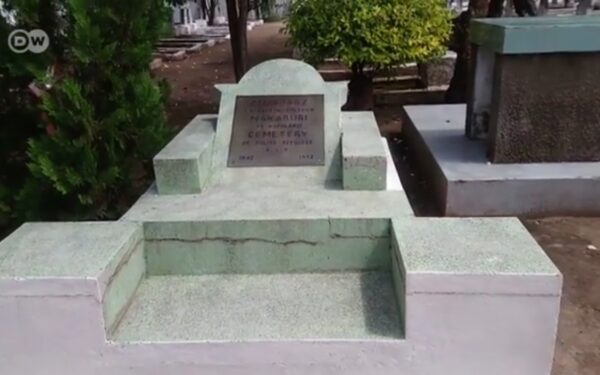
A Polish cemetery survives in Tengeru – the Cemetery of Polish War Refugees. About 150 Poles who died of exhaustion from their Soviet exile or from tropical diseases are buried there. The cemetery is tended by Polish missionaries and volunteers; damaged tombstones have been restored and rebuilt here in recent years. The Poles also left the buildings erected during World War II – one of them houses an agricultural college. Coffee is still grown on the plantations established by the Polish emigrants.